English

MENU

English

MENU

English

MENU

English

MENU

The Real Costs of Bottled Water: What Never Shows Up on the Invoice
7 min

7 min

|

|

13/08/2026

7 min

|

13/08/2026

A bottle of water costs your office far more than the price on the label. For fifty employees, the real number is closer to €17,500 a year, once logistics, storage, and waste are counted in.

An office with fifty employees averaging three 330ml bottles per workday goes through roughly 37,500 plastic bottles a year. The purchase price looks small. The real cost runs through logistics, storage, waste processing, and reporting, and it rarely stops at the invoice. Below: where those costs come from, what's making it easier for offices to transition away from bottled water, and how plastic-free workplace water solutions bring both the spend and the plastic down together.

Why the purchase price is not the real price

The shelf price only tells part of the story. More than 90% of what you pay for a bottle of water goes toward the packaging: production, transport, refrigeration, and disposal. The water itself is a fraction.

For an individual, that barely registers. At office scale, it adds up fast. Every bottle carries a logistics chain: ordering, delivery, storage in the pantry or kitchen, refrigeration, and eventual disposal through a waste stream. That chain costs time, space, and money that rarely shows up on a single invoice.

The hidden costs of bottled water for businesses

Bottled water is not just a beverage. It is a procurement stream with operational consequences that facility managers deal with daily.

Procurement and purchasing management. Bottled water requires recurring orders, supplier management, and inventory monitoring. In larger offices this runs through a catering contract, but the margin on bottled water is high and rarely negotiated.

Logistics and storage. Pallets of water take up storage space. Delivery frequency is high because water is heavy and an office goes through it fast. Every delivery costs loading time, elevator capacity, and coordination with the facilities team.

Waste processing and waste management. Empty bottles generate a constant waste stream. Even with proper sorting, the vast majority of PET bottles end up in incineration plants. Waste costs per kilogram rise year over year, and deposit return schemes add administrative complexity.

Inconsistent access. When stock runs low or a delivery slips, the team is back to lukewarm tap water in mismatched mugs until the next order lands.

Hidden facilities burden. Refrigerators for bottled water consume energy. Storage cabinets take up square meters. Cleaning up crates and leakage is a recurring issue. These are small line items, but they stack up over twelve months.

What's making it easier for offices to transition away from bottled water

Most offices still hydrate the way they did a decade ago: cases in the kitchen, a jug on the cooler, a delivery van pulling up every other Tuesday. Multiply that setup by a few hundred employees and the picture turns messy fast: pallets stacked in the corridor, full bins by Wednesday, and a facilities budget line that only ever moves up.

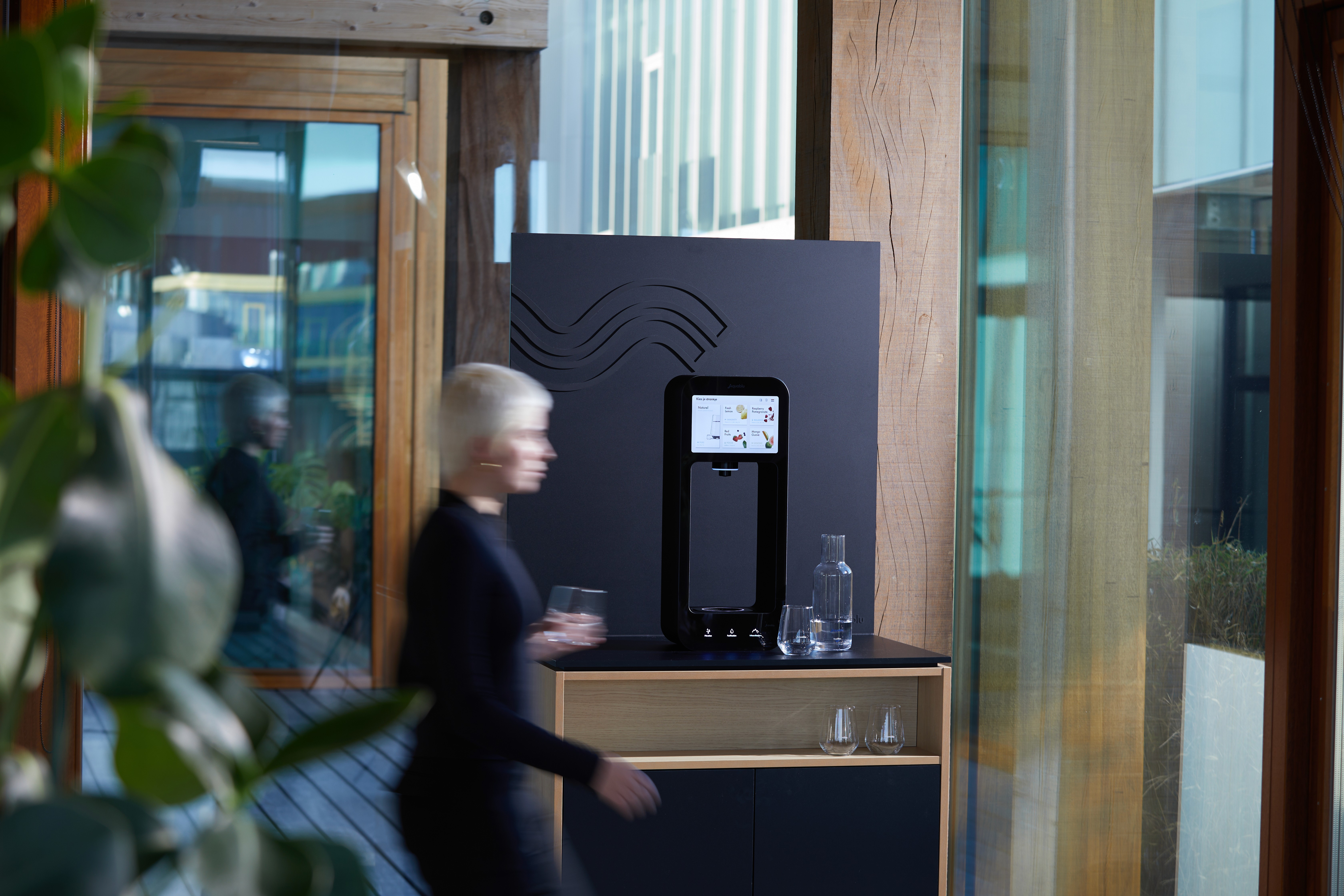
Bottleless setups cut those moving parts out entirely. Water comes from the wall, filtered, on demand, and the delivery van stops showing up. Reusable bottles, refill points, and a mains-connected dispenser now cover most of what a workplace needs, which is why bottled water has gone from default to alternative in a growing number of offices.

The economic costs of plastic water bottles

According to research by the Pacific Institute, producing a plastic bottle requires three times as much water as actually goes into it [1]. Then there is the energy consumption: PET is made from naphtha, a petroleum derivative. In Europe, raw material costs and energy prices for PET production are structurally high. That makes every bottle more expensive than the retail price suggests.

Transport adds another layer. Water is heavy, and the logistics costs from production facility to distribution center to office are significant. Refrigeration during storage and in the office fridge pushes energy consumption higher still.

What does bottled water cost per employee per year?


Cost item

Bottled water

Water dispenser (e.g. Aquablu)

Drinking water

€220

Included

Delivery & handling

€60

€0

Storage & logistics

€40

€0

Admin & ordering time

€30

€0

Total per employee / year

€350

€144 – €200

For an office with 50 employees, that adds up to €17,500 per year on bottled water, versus €7,200 – €10,000 with a mains-fed water dispenser. That is a saving of €7,500 – €10,500 per year.

The savings aren't just in the purchase price. It's the facilities hours, the storage space, and the waste stream that move the needle most.
Calculate the savings for your office →

The environmental costs of plastic water bottles

The scale is hard to overstate. The world goes through more than 500 billion plastic bottles a year [6], and fewer than one in ten gets recycled globally [7]. The rest ends up in landfill, incineration plants, or the ocean, where plastic waste now arrives at a rate of more than 11 million tons a year [8].

Once in the environment, PET bottles take an estimated 450 years or more to break down [2]. For offices, this matters beyond the headline number: waste streams need to be accounted for, and plastic waste volume affects contract terms with waste processors. Fewer bottles means less waste volume and lower processing costs, directly, and it's one of the fastest wins in a broader office waste prevention plan.

Regulation is moving the same direction. Across the EU, the Single-Use Plastics Directive is steadily tightening what's allowed in offices and event spaces, and that pressure only points one way. For the fuller picture of what bottled water costs the planet, see the environmental impact breakdown.

CO₂ footprint and ESG impact of bottled water in the office

ESG reporting is increasingly the norm for mid-sized and large organizations. The CO₂ footprint of office operations falls under Scope 3, and bottled water is a line item that is often overlooked.

The numbers per bottle are concrete: according to lifecycle analyses, producing one kilogram of PET generates approximately 2 to 3 kg of CO₂ [3]. Add transport, refrigeration, and waste processing on top, and every bottle contributes measurably to office emissions.

For facility managers and sustainability coordinators, switching from bottled water to a mains-water-based system delivers a visible reduction in the annual ESG report. It's one of the fastest adjustments with a directly measurable impact, and it doesn't ask employees to change a single habit. Lower costs, less logistics, a better ESG line: one move, three outcomes.

What's actually driving the shift beyond cost

The operational and environmental case would be enough on its own, but two more forces are pulling in the same direction.

Employees notice how water is served. Filtered, chilled, sometimes sparkling water on the counter changes what people reach for. Teams that switch typically drink more, keep fewer cans in the fridge, and start carrying reusable bottles within a few weeks, and the effect on retention and satisfaction tends to show up faster than most teams expect.

The health case is real, if still developing. Microplastics, the tiny fragments that shed from bottles and packaging, have turned up in tap water, bottled water, seafood, and human blood. Some research suggests they may affect hormone levels and immune response, though the long-term picture is still being studied. What's already clear: less plastic in daily routines is the safer default, for people and for the planet.

What does a plastic bottle really cost?

When we include all hidden costs, you pay far more for every plastic bottle than the store price:

  • Three times the bottle's water volume goes into production [1].

  • Every gram of PET generates a multiple in CO₂ emissions [3].

  • A quarter bottle of oil equivalent is needed to produce, transport, cool, and process a single liter of bottled water [4].

At office scale, those numbers multiply fast. An organization that switches from bottled water to a mains-fed water dispenser saves not just on purchasing, but simplifies procurement, eliminates an entire waste stream, and improves CO₂ reporting.

Plastic bottle vs. can: which is the more sustainable choice?

Aluminum cans recycle more easily than PET and take less energy to produce and transport. As a packaging material, aluminum scores better on environmental impact. For a fuller breakdown of bottled, canned, and dispensed water side by side, the numbers tell the same story. But for office hydration, the comparison is beside the point: the most efficient option is to skip disposable packaging altogether and serve filtered mains water directly through a hydration station.

Plastic-free hydration: myths and facts

There's still confusion about bottled water, tap water, and what "plastic-free" actually means at the office. The ones we hear most:

Myth

Fact

Bottled water is safer than tap water

In most European markets, bottled water is filtered tap water with weaker testing requirements than the public supply. It can also pick up microplastics from its own packaging.

Recycling solves the plastic problem

Fewer than one in ten plastic bottles gets recycled globally [7]. The rest goes to landfill, incineration, or escapes into the environment.

Plastic-free is expensive and complicated

Switching to a mains-connected dispenser and reusable bottles is a one-time shift, and the costs come down month after month.

Plastic jugs on water coolers are sustainable

Still plastic. Still trucked, stored, swapped, and discarded. The footprint is hidden, not removed.

Employees don't notice how water is served

They notice, especially newer hires, who read the room for whether sustainability claims actually show up in the kitchen.

Cutting plastic beyond the water cooler

Eliminating single-use plastic bottles in offices starts with the water dispenser, but it isn't the only lever. A handful of smaller changes compound quickly once the main setup is sorted.

Rethink the kitchen. Coffee pods, disposable cups, plastic cutlery, and snack wrappers add up daily. Swap in real mugs, a proper coffee machine, and reusable cutlery, and keep them within easy reach.

Sort out desk plastics. Refillable pens instead of disposable ones, recycled-paper notebooks or a digital equivalent, and desk organizers in wood or metal instead of plastic. Small swaps, but they set the tone for the rest of the workspace.

Ask your suppliers a direct question. Can deliveries skip the plastic padding? Do they offer recyclable or returnable packaging? A short message asking how a supplier could ship more sustainably often gets a straightforward answer, and tells you who's worth sticking with.

Make recycling obvious, not just available. A bin isn't enough on its own. Clear, visible labeling for plastics, paper, metals, and organics cuts contamination and makes the right choice the easy one.

Build the habit, not just the policy. A plastic-free week, a shared cleanup day, or a rotating sustainability lead gives people something concrete to rally around. Momentum builds faster when there's a visible, shared action behind it rather than a memo.

How offices can switch to plastic-free hydration

Going plastic-free isn't one decision. It's three smaller ones, roughly in this order.

1. Replace bottled water with a mains-connected dispenser. This is the single biggest lever. It cuts deliveries, frees up storage, and gives the team filtered still and sparkling water without the plastic. Our guide to choosing a workplace water dispenser walks through the options by office size.

2. Roll out reusable bottles and refill points. A reusable bottle for every employee, plus refill stations around the office and near meeting rooms, makes the new setup the default. The desk plastic fades on its own from there.

3. Cut the rest. Plastic cups in the canteen, sachets in meeting rooms, single-use bottles in event packs. Once the main setup is sorted, the smaller habits are easier to spot and easier to fix.

What bottleless infrastructure looks like

A bottleless workplace doesn't mean a basic tap. It means infrastructure: filtration, chilling, carbonation, and a refill experience the team actually wants to walk to.

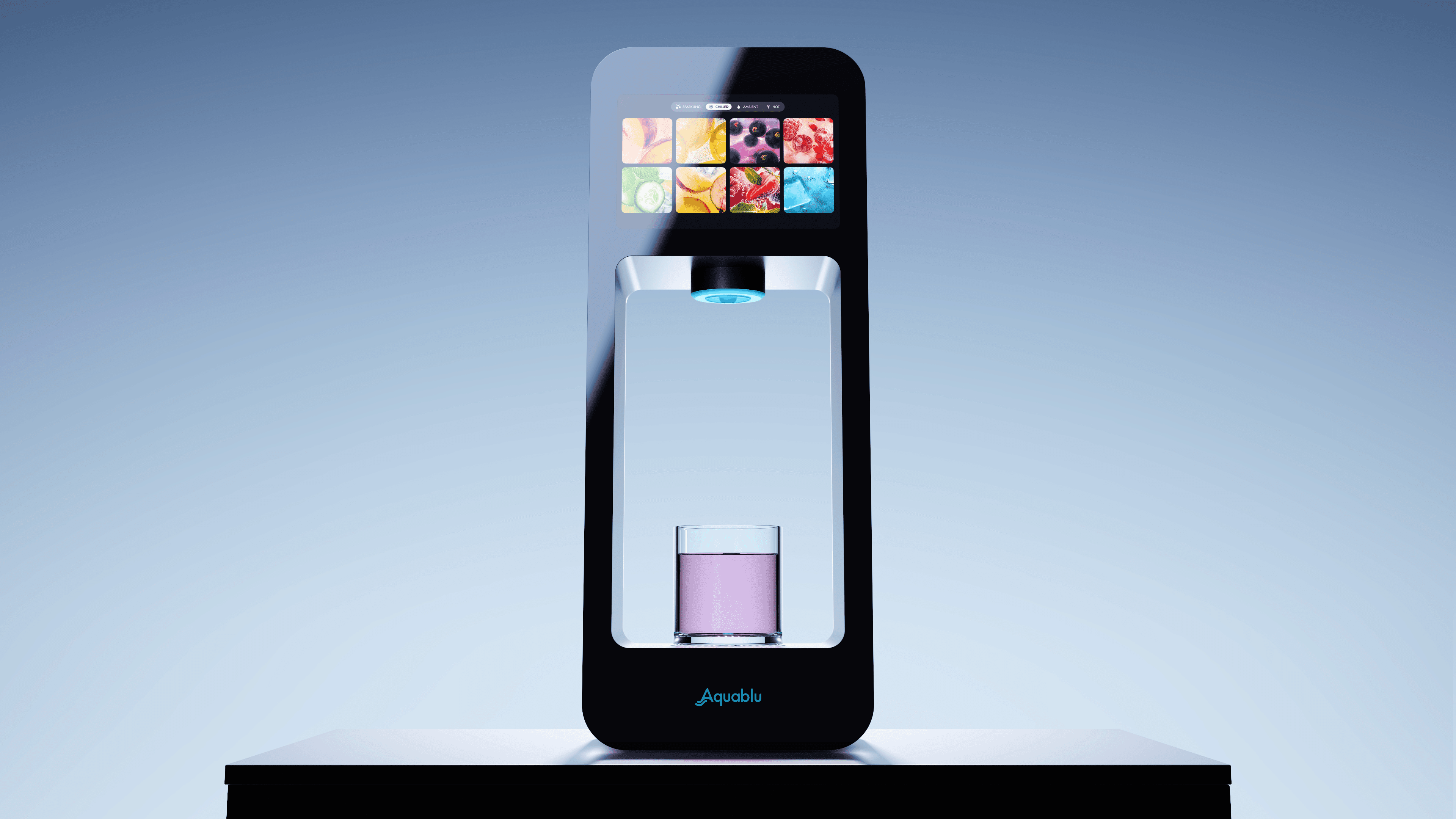
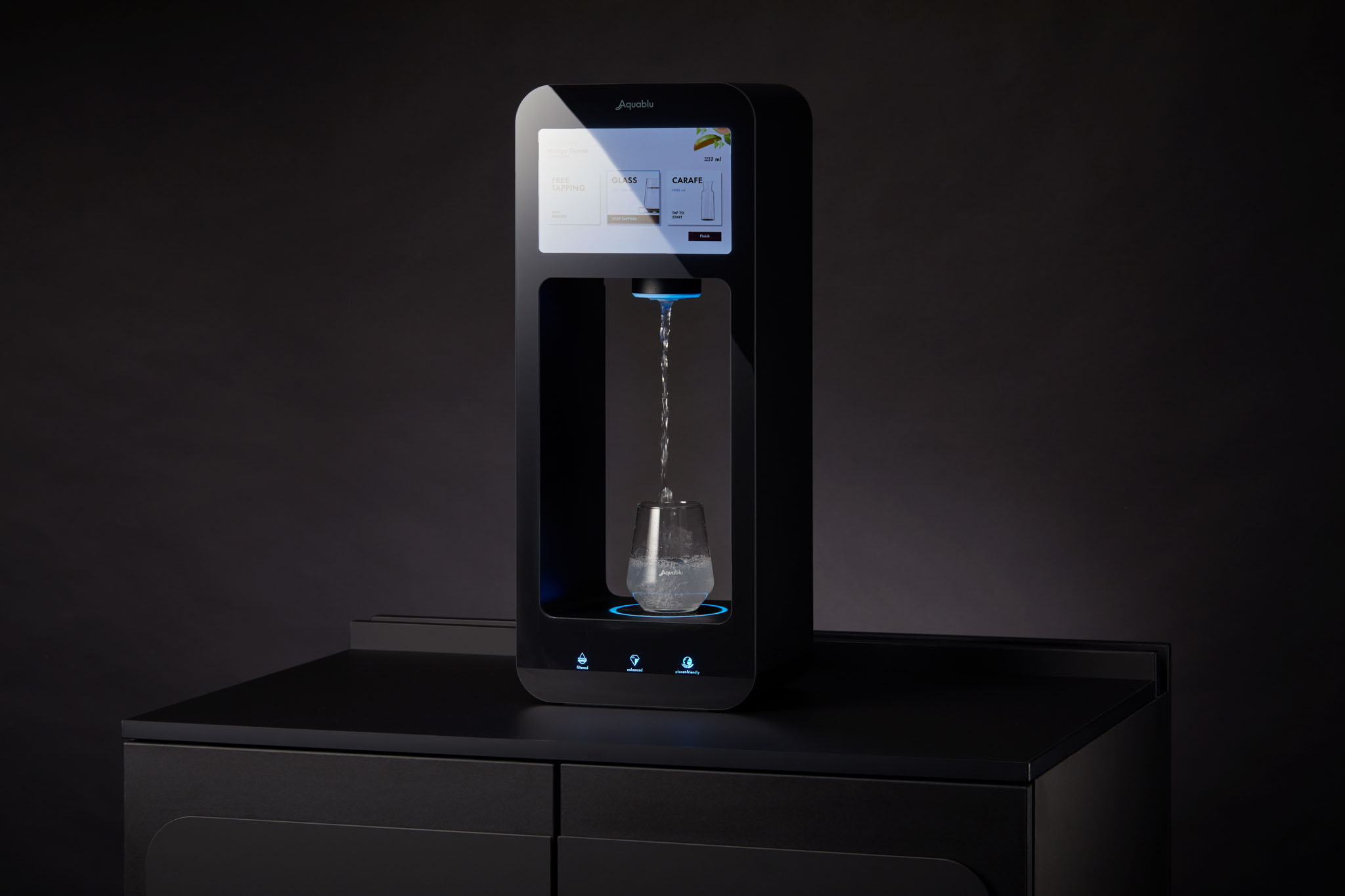
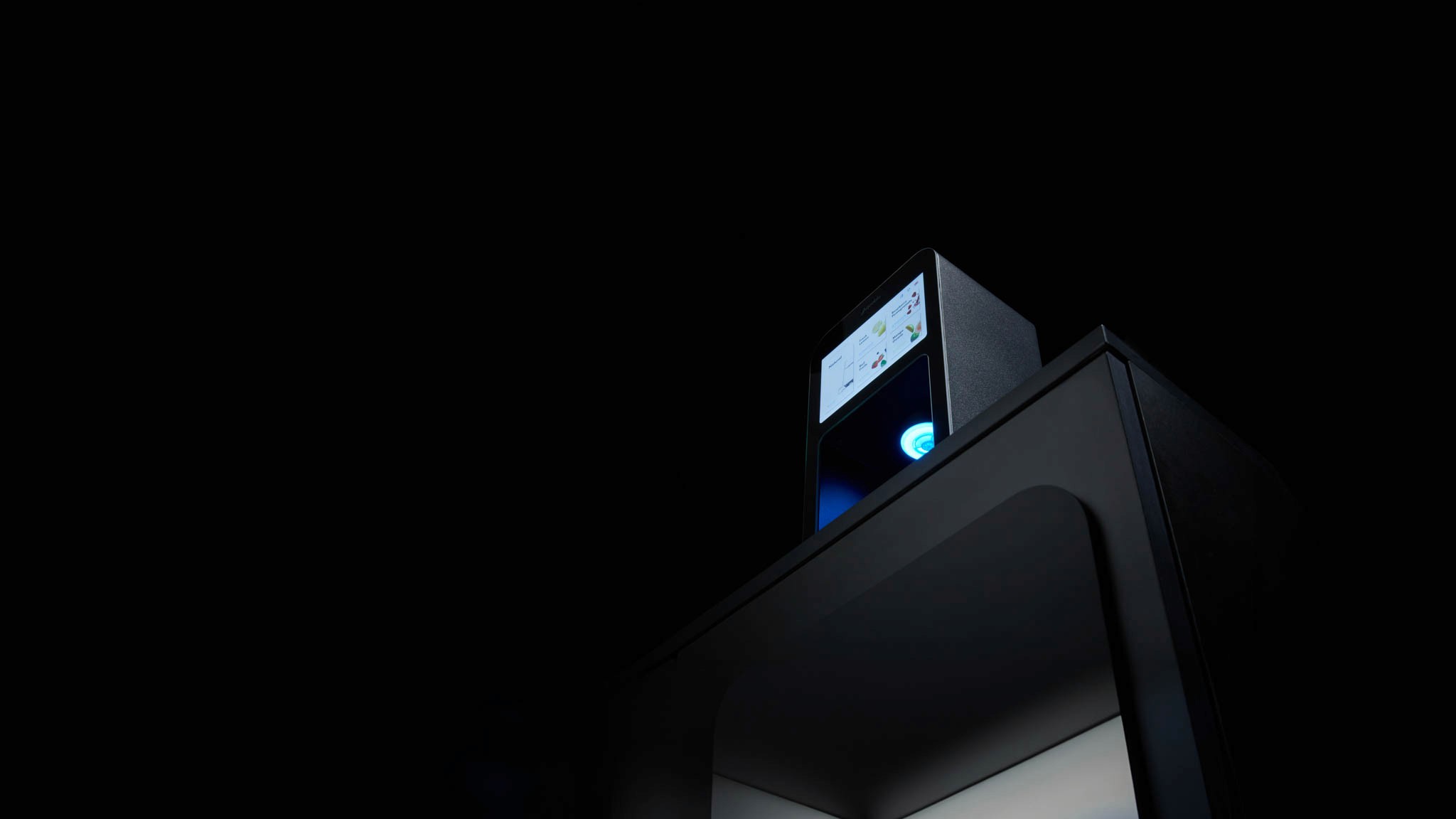
REFILL+ Series 2 connects to the mains, filters water through Nano-Silver Filtration, adds minerals back, and pours it still, sparkling, or with functional flavors. No bottles, no jugs, no delivery schedule. Facility gets a setup that runs in the background, and the team gets better water than the bottled version ever offered, the kind of everyday lift behind workplace vitality.

Other configurations work too: countertop filters for smaller offices, plumbed dispensers for larger sites, refill stations near meeting clusters. The pattern stays the same. Water comes from the building, not from a truck.

The shift is already happening

Plastic-free hydration has moved from a values exercise to a default office spec. Sustainability teams want the data. Finance teams want the math. Employees want hydration that tastes good and does more for their day.

The offices switching now aren't adding a nice-to-have. They're doing the obvious thing earlier than the rest.

See how it looks →

The environmental costs of plastic water bottles

The scale is hard to overstate. The world goes through more than 500 billion plastic bottles a year [6], and fewer than one in ten gets recycled globally [7]. The rest ends up in landfill, incineration plants, or the ocean, where plastic waste now arrives at a rate of more than 11 million tons a year [8].

Once in the environment, PET bottles take an estimated 450 years or more to break down [2]. For offices, this matters beyond the headline number: waste streams need to be accounted for, and plastic waste volume affects contract terms with waste processors. Fewer bottles means less waste volume and lower processing costs, directly, and it's one of the fastest wins in a broader office waste prevention plan.

Regulation is moving the same direction. Across the EU, the Single-Use Plastics Directive is steadily tightening what's allowed in offices and event spaces, and that pressure only points one way. For the fuller picture of what bottled water costs the planet, see the environmental impact breakdown.

CO₂ footprint and ESG impact of bottled water in the office

ESG reporting is increasingly the norm for mid-sized and large organizations. The CO₂ footprint of office operations falls under Scope 3, and bottled water is a line item that is often overlooked.

The numbers per bottle are concrete: according to lifecycle analyses, producing one kilogram of PET generates approximately 2 to 3 kg of CO₂ [3]. Add transport, refrigeration, and waste processing on top, and every bottle contributes measurably to office emissions.

For facility managers and sustainability coordinators, switching from bottled water to a mains-water-based system delivers a visible reduction in the annual ESG report. It's one of the fastest adjustments with a directly measurable impact, and it doesn't ask employees to change a single habit. Lower costs, less logistics, a better ESG line: one move, three outcomes.

What's actually driving the shift beyond cost

The operational and environmental case would be enough on its own, but two more forces are pulling in the same direction.

Employees notice how water is served. Filtered, chilled, sometimes sparkling water on the counter changes what people reach for. Teams that switch typically drink more, keep fewer cans in the fridge, and start carrying reusable bottles within a few weeks, and the effect on retention and satisfaction tends to show up faster than most teams expect.

The health case is real, if still developing. Microplastics, the tiny fragments that shed from bottles and packaging, have turned up in tap water, bottled water, seafood, and human blood. Some research suggests they may affect hormone levels and immune response, though the long-term picture is still being studied. What's already clear: less plastic in daily routines is the safer default, for people and for the planet.

What does a plastic bottle really cost?

When we include all hidden costs, you pay far more for every plastic bottle than the store price:

  • Three times the bottle's water volume goes into production [1].

  • Every gram of PET generates a multiple in CO₂ emissions [3].

  • A quarter bottle of oil equivalent is needed to produce, transport, cool, and process a single liter of bottled water [4].

At office scale, those numbers multiply fast. An organization that switches from bottled water to a mains-fed water dispenser saves not just on purchasing, but simplifies procurement, eliminates an entire waste stream, and improves CO₂ reporting.

Plastic bottle vs. can: which is the more sustainable choice?

Aluminum cans recycle more easily than PET and take less energy to produce and transport. As a packaging material, aluminum scores better on environmental impact. For a fuller breakdown of bottled, canned, and dispensed water side by side, the numbers tell the same story. But for office hydration, the comparison is beside the point: the most efficient option is to skip disposable packaging altogether and serve filtered mains water directly through a hydration station.

Plastic-free hydration: myths and facts

There's still confusion about bottled water, tap water, and what "plastic-free" actually means at the office. The ones we hear most:

Myth

Fact

Bottled water is safer than tap water

In most European markets, bottled water is filtered tap water with weaker testing requirements than the public supply. It can also pick up microplastics from its own packaging.

Recycling solves the plastic problem

Fewer than one in ten plastic bottles gets recycled globally [7]. The rest goes to landfill, incineration, or escapes into the environment.

Plastic-free is expensive and complicated

Switching to a mains-connected dispenser and reusable bottles is a one-time shift, and the costs come down month after month.

Plastic jugs on water coolers are sustainable

Still plastic. Still trucked, stored, swapped, and discarded. The footprint is hidden, not removed.

Employees don't notice how water is served

They notice, especially newer hires, who read the room for whether sustainability claims actually show up in the kitchen.

Cutting plastic beyond the water cooler

Eliminating single-use plastic bottles in offices starts with the water dispenser, but it isn't the only lever. A handful of smaller changes compound quickly once the main setup is sorted.

Rethink the kitchen. Coffee pods, disposable cups, plastic cutlery, and snack wrappers add up daily. Swap in real mugs, a proper coffee machine, and reusable cutlery, and keep them within easy reach.

Sort out desk plastics. Refillable pens instead of disposable ones, recycled-paper notebooks or a digital equivalent, and desk organizers in wood or metal instead of plastic. Small swaps, but they set the tone for the rest of the workspace.

Ask your suppliers a direct question. Can deliveries skip the plastic padding? Do they offer recyclable or returnable packaging? A short message asking how a supplier could ship more sustainably often gets a straightforward answer, and tells you who's worth sticking with.

Make recycling obvious, not just available. A bin isn't enough on its own. Clear, visible labeling for plastics, paper, metals, and organics cuts contamination and makes the right choice the easy one.

Build the habit, not just the policy. A plastic-free week, a shared cleanup day, or a rotating sustainability lead gives people something concrete to rally around. Momentum builds faster when there's a visible, shared action behind it rather than a memo.

How offices can switch to plastic-free hydration

Going plastic-free isn't one decision. It's three smaller ones, roughly in this order.

1. Replace bottled water with a mains-connected dispenser. This is the single biggest lever. It cuts deliveries, frees up storage, and gives the team filtered still and sparkling water without the plastic. Our guide to choosing a workplace water dispenser walks through the options by office size.

2. Roll out reusable bottles and refill points. A reusable bottle for every employee, plus refill stations around the office and near meeting rooms, makes the new setup the default. The desk plastic fades on its own from there.

3. Cut the rest. Plastic cups in the canteen, sachets in meeting rooms, single-use bottles in event packs. Once the main setup is sorted, the smaller habits are easier to spot and easier to fix.

What bottleless infrastructure looks like

A bottleless workplace doesn't mean a basic tap. It means infrastructure: filtration, chilling, carbonation, and a refill experience the team actually wants to walk to.

REFILL+ Series 2 connects to the mains, filters water through Nano-Silver Filtration, adds minerals back, and pours it still, sparkling, or with functional flavors. No bottles, no jugs, no delivery schedule. Facility gets a setup that runs in the background, and the team gets better water than the bottled version ever offered, the kind of everyday lift behind workplace vitality.

Other configurations work too: countertop filters for smaller offices, plumbed dispensers for larger sites, refill stations near meeting clusters. The pattern stays the same. Water comes from the building, not from a truck.

The shift is already happening

Plastic-free hydration has moved from a values exercise to a default office spec. Sustainability teams want the data. Finance teams want the math. Employees want hydration that tastes good and does more for their day.

The offices switching now aren't adding a nice-to-have. They're doing the obvious thing earlier than the rest.

See how it looks →

FAQs

01

What are the business costs of drinking water in the office?

Total costs depend on the number of employees, consumption, and the chosen solution. Bottled water costs an office with 50 employees roughly €17,500 per year in direct and indirect costs. A water dispenser brings that down to €7,200 to €10,000.

02

How much does 1,000 liters of tap water cost compared to bottled water?

In the Netherlands, 1,000 liters of tap water costs roughly €1 to €3, depending on the water company [5]. The same volume as bottled water costs between €200 and €500, depending on the brand. The difference is entirely in packaging, transport, and margin.

03

How do I calculate the total cost of bottled water for my office?

Add the purchase costs to the estimated hours for ordering, storing, and disposing. Include waste processing costs and storage space. Compare that with an all-in subscription for a water dispenser. The comparison table above gives a starting point, or use the ROI calculator for a tailored estimate.

by

Tori Wilson

Tori Wilson

/

Ready to upgrade your hydration?

join the club

Ready to upgrade your hydration?

join the club

Ready to upgrade your hydration?

join the club